01
Understand the problem
We reduce the situation to first principles: what must work, what cannot fail, who must trust it, and where the real constraint actually sits.


Old School GmbH, based in Canton Zug, Switzerland, helps founders and owner-led companies evaluate, design and implement blockchain, tokenization and applied AI systems. We start with the underlying business constraint and use technology only where it creates durable commercial value.
How We Work
We start with the problem. Old School works from the underlying constraint to the right system, then builds, improves, and maintains it in the real world.
See how this logic applies to Tokenization, Blockchain, and Applied AI.
01
We reduce the situation to first principles: what must work, what cannot fail, who must trust it, and where the real constraint actually sits.
02
Only then do we decide what belongs in the solution: process, software, AI, blockchain, or no new technology at all. The choice follows the operating reality, not the fashion.
03
We implement the right system, pressure-test it in use, and keep refining it over time so it stays credible, usable, and worth operating.

Permissionless systems, decentralized infrastructure, and tamper-resistant records. The real challenge is making them usable without breaking the promises that make blockchain matter.
Read the full Blockchain page for governance, infrastructure, and token-necessity decisions.

Applied AI systems reviewed for where human judgment must remain, where automation is safe, and where oversight is a commercial requirement, not a compliance checkbox.
Open Applied AI for infrastructure, oversight, and workflow-boundary guidance.

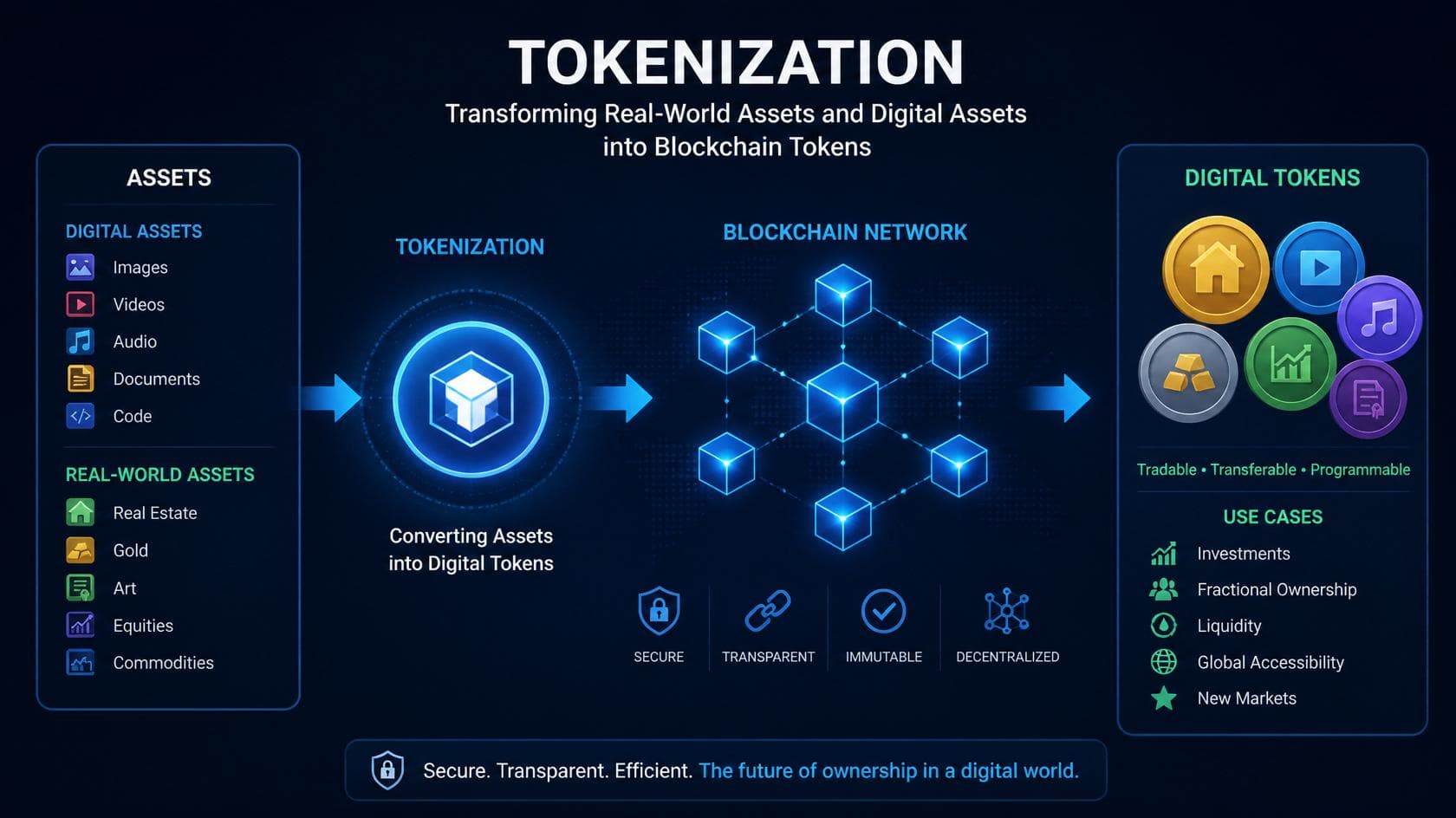
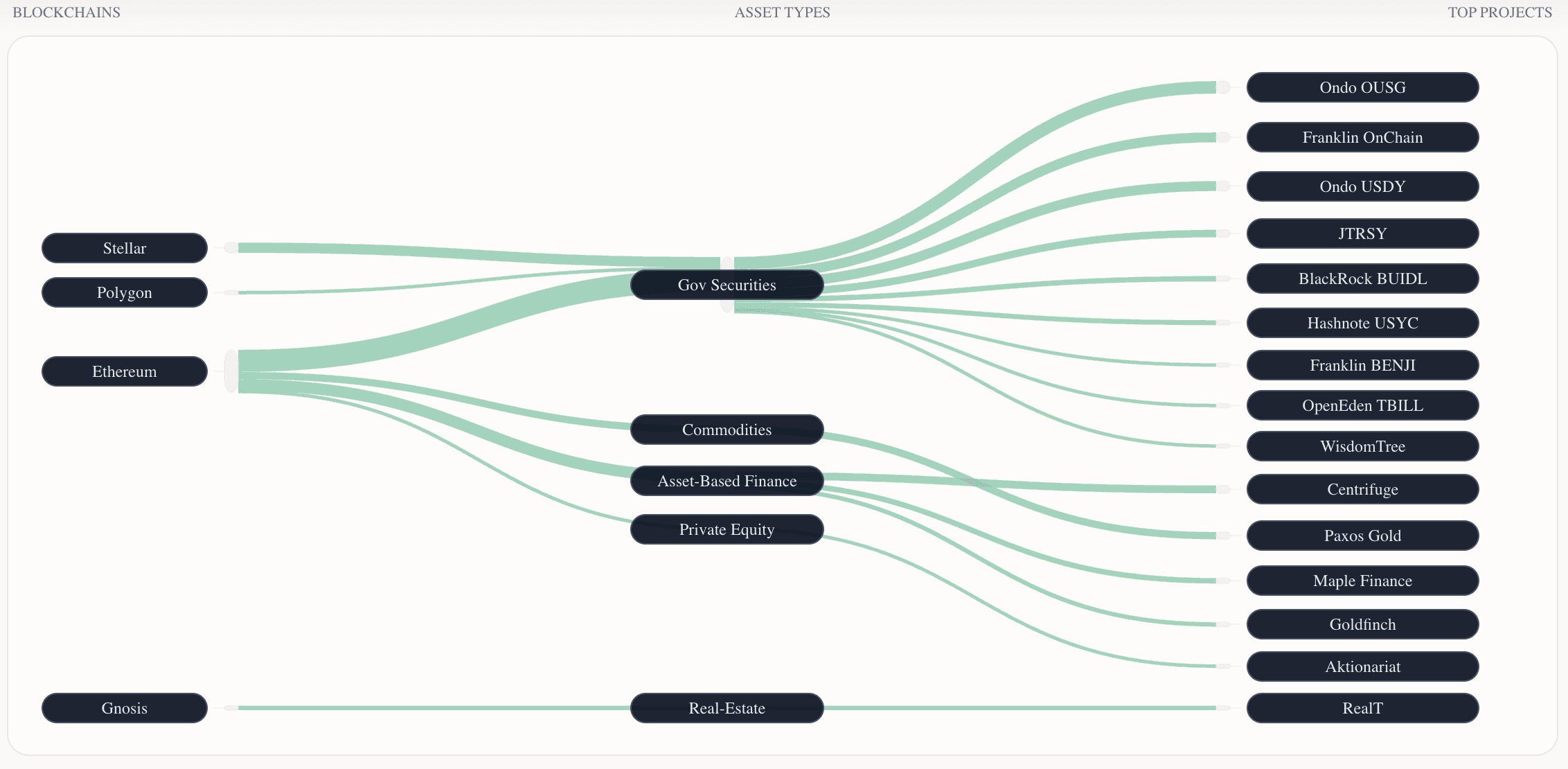
Ownership and rights structures engineered for legal clarity, transfer logic, and commercial execution - built to survive scrutiny from counsel, capital, and counterparties.
Open Tokenization for rights structure, transfer logic, and commercial workflow design.
Ventures & Platforms
Browse Ventures and Platforms to see Old School products, active advisory work, and historical ventures.

Blockchain
Tokenization
Tokenization
AI

AI

AI
AI

Blockchain
Details soon

Blockchain
Blockchain

AI
Details soon
Tokenization
Details soon
Specialist Bench
Old School is a specialist bench, not a single advisor. These specialist cards open into public AI identity pages with remit, operator, and approval boundaries stated up front.

Founder - strategic advisory, commercial judgment

CSO - commercial strategy, executive leadership

CFO - finance, executive leadership

AI systems architecture agent

AI website agent

AI design direction agent

AI narrative precision agent

AI commercial strategy agent

AI visual production agent

AI product strategy agent

AI build discipline agent

AI product thinking agent

AI operations agent

AI audit review agent
Every engagement starts with a single conversation about the decision in front of you.
Book a Strategy Call